
Your home’s electrical system is crucial for powering appliances, lighting, and essential devices. However, faulty wiring, outdated components, or improper installations can lead to serious hazards like electrical fires or shocks. Regularly inspecting your electrical system helps prevent these risks and ensures safety.
In this guide, we’ll walk you through how to safely check your home’s electrical system for problems, when to call a professional, and key warning signs to watch for.
Why You Should Regularly Inspect Your Electrical System
Electrical issues often start small but can escalate quickly. Common problems include:
- Flickering lights – Could indicate loose wiring or overloaded circuits.
- Frequent tripped breakers – Suggests an overloaded circuit or faulty breaker.
- Burning smells or scorch marks – Signs of overheating wires.
- Sparkling outlets – Indicates dangerous wiring issues.
- High energy bills – May point to inefficient or faulty wiring.
Regular inspections help catch these issues early, preventing costly repairs or dangerous situations.
How to Safely Check Your Home’s Electrical System
1. Perform a Visual Inspection
Start by examining visible components:
- Outlets & Switches – Look for discoloration, cracks, or loose fittings.
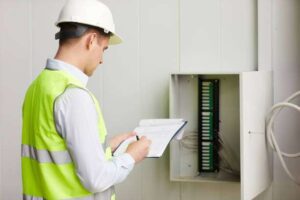
- Electrical Panel – Check for rust, burn marks, or buzzing sounds.
- Cords & Plugs – Inspect for frayed wires or damaged insulation.
Safety Tip: Never touch exposed wires or open the electrical panel if you’re unsure.
2. Test GFCI Outlets
Ground Fault Circuit Interrupter (GFCI) outlets protect against shocks in wet areas (kitchens, bathrooms). Test them monthly:
- Press the “TEST” button – The outlet should shut off.
- Press “RESET” to restore power.
If it doesn’t trip, replace it immediately.
3. Check Circuit Breakers
- Locate your electrical panel.
- If a breaker trips frequently, it may be overloaded or faulty.
- Reset it, but if it trips again, consult an electrician.
Warning: Never replace a breaker with a higher amp rating—this can cause fires.
4. Look for Overloaded Circuits
- Avoid daisy-chaining power strips – This can overload circuits.
- Check for warm outlets – Indicates excessive power draw.
- Use dedicated circuits for high-power appliances (AC, refrigerators).
5. Test Smoke & Carbon Monoxide Detectors
- Press the test button monthly.
- Replace batteries twice a year.
- Ensure detectors are less than 10 years old.
6. Inspect Outdoor Wiring
- Check for exposed or damaged wires near outdoor outlets.
- Ensure weatherproof covers are intact.
When to Call a Professional Electrician
While DIY checks are helpful, some issues require expert attention:
- Frequent breaker trips
- Burning smells or sparks
- Flickering lights across multiple rooms
- Outdated wiring (e.g., knob-and-tube, aluminum wiring)
RW Electrician Pensacola 850-649-1500 provides 24/7 emergency services, ensuring your home stays safe and up to code.
Final Thoughts: Stay Safe & Proactive
Regular electrical inspections help prevent hazards and improve efficiency. If you notice any warning signs, don’t wait—call a licensed electrician immediately.
Need a professional inspection? Contact RW Electrician Pensacola at 850-649-1500 for reliable, expert service!