
Welcome to your new home in Pensacola! As a new homeowner, ensuring the electrical safety of your home is crucial for the well-being of your family and the longevity of your property. This comprehensive electrical safety checklist will guide you through the essential steps to inspect and maintain your home’s electrical system. Whether you’re a DIY enthusiast or prefer professional assistance, this guide will help you identify potential hazards and take proactive measures.
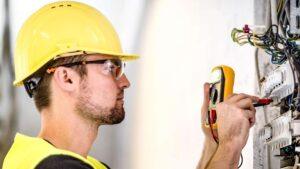
1. Inspect the Electrical Panel
The electrical panel is the central hub of your home’s electrical system. It’s essential to ensure it’s in good condition and properly labeled.
Key Points to Check:
- Accessibility: Ensure the panel is easily accessible and not blocked by furniture or debris.
- Labeling: Check that all circuits are clearly labeled. If not, consider hiring a professional to label them.
- Condition: Look for signs of damage, such as rust, corrosion, or burn marks. These could indicate a serious issue.
2. Check Circuit Breakers and Fuses
Circuit breakers and fuses protect your home from electrical overloads and potential fires.
Key Points to Check:
- Functionality: Test each circuit breaker to ensure it trips when overloaded.
- Condition: Inspect for any signs of wear or damage. Replace any damaged or outdated breakers.
- Overloading: Avoid overloading circuits by distributing electrical loads evenly.
3. Examine Wiring
Inspecting the wiring in your home can help identify potential hazards before they become serious issues.
Key Points to Check:
- Condition: Look for frayed, exposed, or damaged wires. These should be repaired or replaced immediately.
- Routing: Ensure wires are properly routed and protected from potential damage.
- Connections: Check for loose connections at outlets, switches, and junction boxes.
4. Inspect Outlets and Switches
Outlets and switches are frequently used components that require regular inspection.
Key Points to Check:
- Condition: Ensure all outlets and switches are in good condition, with no cracks or damage.
- Covers: Verify that all outlets have covers, especially those in wet areas.
- Functionality: Test each outlet and switch to ensure they are working correctly.
5. Verify Grounding
Proper grounding is essential for electrical safety, reducing the risk of electric shock and equipment damage.
Key Points to Check:
- Connections: Ensure all grounding connections are secure and intact.
- Ground Fault Circuit Interrupters (GFCIs): Verify that GFCIs are installed in wet areas (e.g., bathrooms, kitchens) and test them regularly.
6. Assess Lighting Fixtures
Lighting fixtures should be properly installed and maintained to prevent electrical hazards.
Key Points to Check:
- Condition: Inspect light fixtures for signs of wear or damage.
- Bulbs: Ensure all bulbs are the correct wattage and type for the fixture.
- Connections: Check for loose connections or exposed wires.
7. Evaluate Electrical Equipment
Regularly inspecting electrical equipment can help identify potential issues before they become dangerous.
Key Points to Check:
- Condition: Look for frayed or exposed wires on appliances and cords.
- Overloading: Avoid overloading power strips or extension cords.
- Maintenance: Ensure all electrical equipment is properly maintained and in good working condition.
8. Consider Professional Inspection
While DIY inspections are helpful, a professional electrical inspection can provide a thorough assessment of your home’s electrical system. RW Electrician Pensacola offers comprehensive electrical inspections and can identify hidden issues before they become major problems. Call them at 850-649-1500 for expert service.
9. Plan for Upgrades
If your home is older or has outdated electrical components, consider planning for upgrades. Whole-home rewiring can significantly enhance safety and efficiency. RW Electrician Pensacola specializes in whole-home rewiring and can provide a detailed quote for your project. Call them at 850-649-1500 for a free consultation.
10. Educate Your Family
Ensure all family members understand basic electrical safety practices. Teach them to:
- Unplug appliances when not in use.
- Avoid using electrical equipment in wet areas.
- Report any unusual smells, sounds, or flickering lights.
Conclusion
Electrical safety is a critical aspect of homeownership. By following this comprehensive checklist, you can identify potential hazards and take proactive steps to ensure your home’s electrical system is safe and reliable. Whether you tackle these tasks yourself or hire a professional, prioritizing electrical safety will protect your family and property.
If you need expert assistance or have any concerns about your home’s electrical system, don’t hesitate to call RW Electrician Pensacola at 850-649-1500. Their licensed electricians offer a full range of services, from inspections to upgrades, ensuring your home is safe and up-to-date.